Eskom just announced that South Africa is moving into yet another period of load shedding, and you’re about to have a nervous breakdown. You decide that enough is enough now – it’s time to invest in a backup power solution that you can use to keep the lights and plugs working when the power goes out. Google helps you find generator specialists in KZN that point you in the direction of a generator perfectly in your affordability range. So, you’ve bought a new generator – now what?
ARTICLE: Will using a generator damage my electrical equipment?
Did you pick the right generator?
“Generators used in a residential building are very different to those used in commercial buildings.”
Any generator specialist advising you on the best generator for your home or business will tell you that no two generator installations are the same. Factors to consider include how many rooms your home has, how many electrical appliances there are, how much space there is for the generator to reside, and where your distribution board is located. Residential generators typically come in three sizes – small generators (2kW to 7kW), medium generators (8kW to 20kW), and large generators (20kW to 40kW).
ARTICLE: How to choose the best generator for your building
Steps in the generator installation process
“Just plug it in and you’re good to go, right? Not quite.”
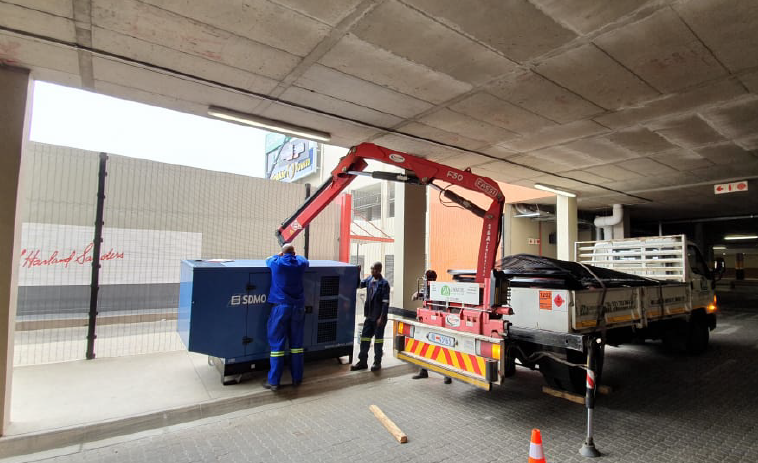
Once you have the right generator, and there’s no doubt it has the capacity to power your building sufficiently when the lights go out, you’re only a few steps away from having a reliable, effective backup electricity source.
Pick a suitable location
Choosing where to install your new generator involves more than just picking where it won’t be an eye sore. Your new generator will have to reside relatively close to your home’s electrical distribution (DB) board. It’ll also need to go where the exhaust fumes are able to dissipate well away from any open windows or air-conditioning inlets.
Unpack your genset
If you chose not to approach generator specialists, and bought your generator online instead, this step is very important. You’ll want to unpack your generator to make sure that all the necessary components are present and in good condition. Who knows what happens to your packages when they are shipped from abroad, so be sure to inspect your unit for any missing parts or obvious signs of damage.
Call a generator installer
This is where the do-it-yourself homeowners separate from the ‘leave it to the professionals’ types. Before trying to DIY your new generator installation, read our article below on why you shouldn’t do that. Not only because there’s a risk of electrocution, but how are you going to get the install certified by the municipality?
ARTICLE: Should you try connecting a generator to a DB board yourself?
Get the installation certified
New generator installers like S&A Generators are often also able to issue COC certificates. These certificates of compliance ensure that your new generator has been installed professionally, safely, and in line with best practices. Considering that no new generator can operate legally without a COC, it makes sense to let the generator installer issue a compliance certificate there and then.
Test the generator at full load
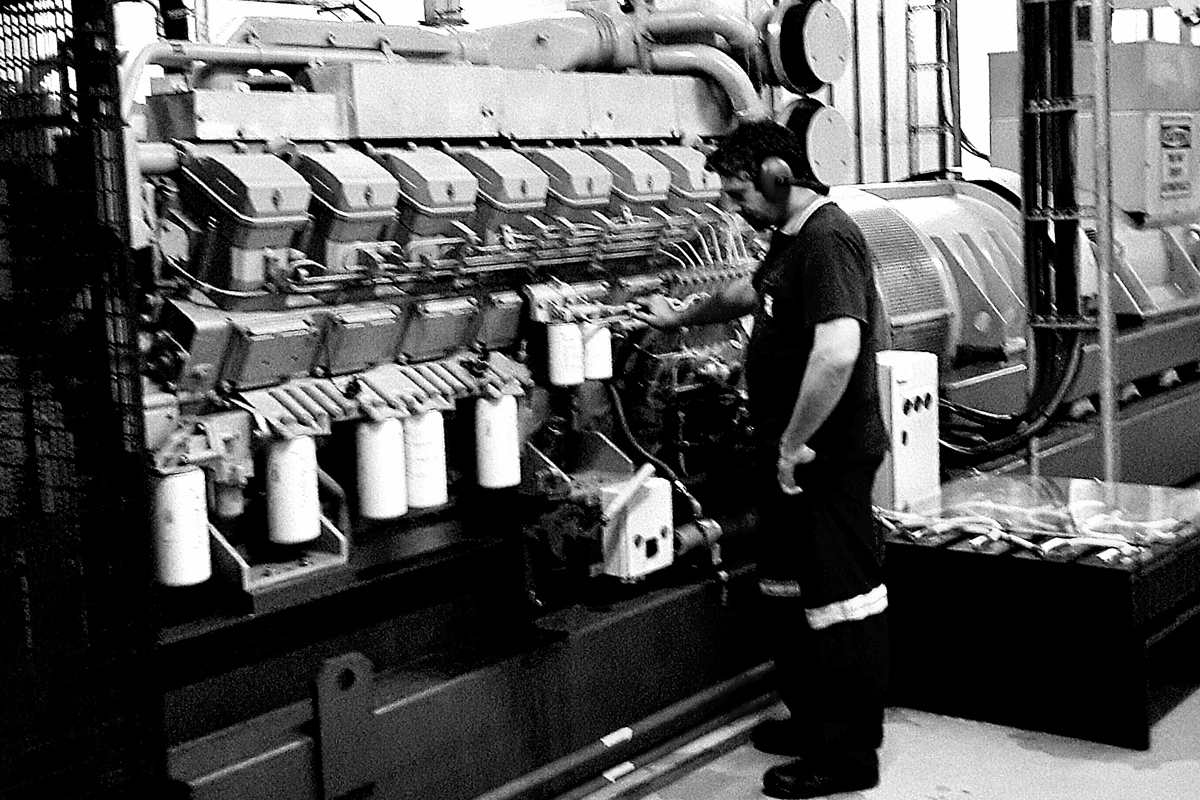
This is also something the generator installer should do before signing off on the job. You want to make sure that your generator isn’t experiencing issues that could leave it unable to provide for your home’s electrical needs. Generators work best at full load, so this test will also determine whether the generator might actually be too powerful for your building.
Get your new generator installed by the experts
Take the guesswork out of your new generator installations completely. Speak to us about your plans to procure and install a new generator in your home or business. We’ve ordered, transported, installed, repaired, and maintained generators of all sizes – across South Africa – for over 50 years. We can also issue COC certificates, which means we can handle your backup power needs from end to end. Please get in touch with the S&A Generators team to make an enquiry.