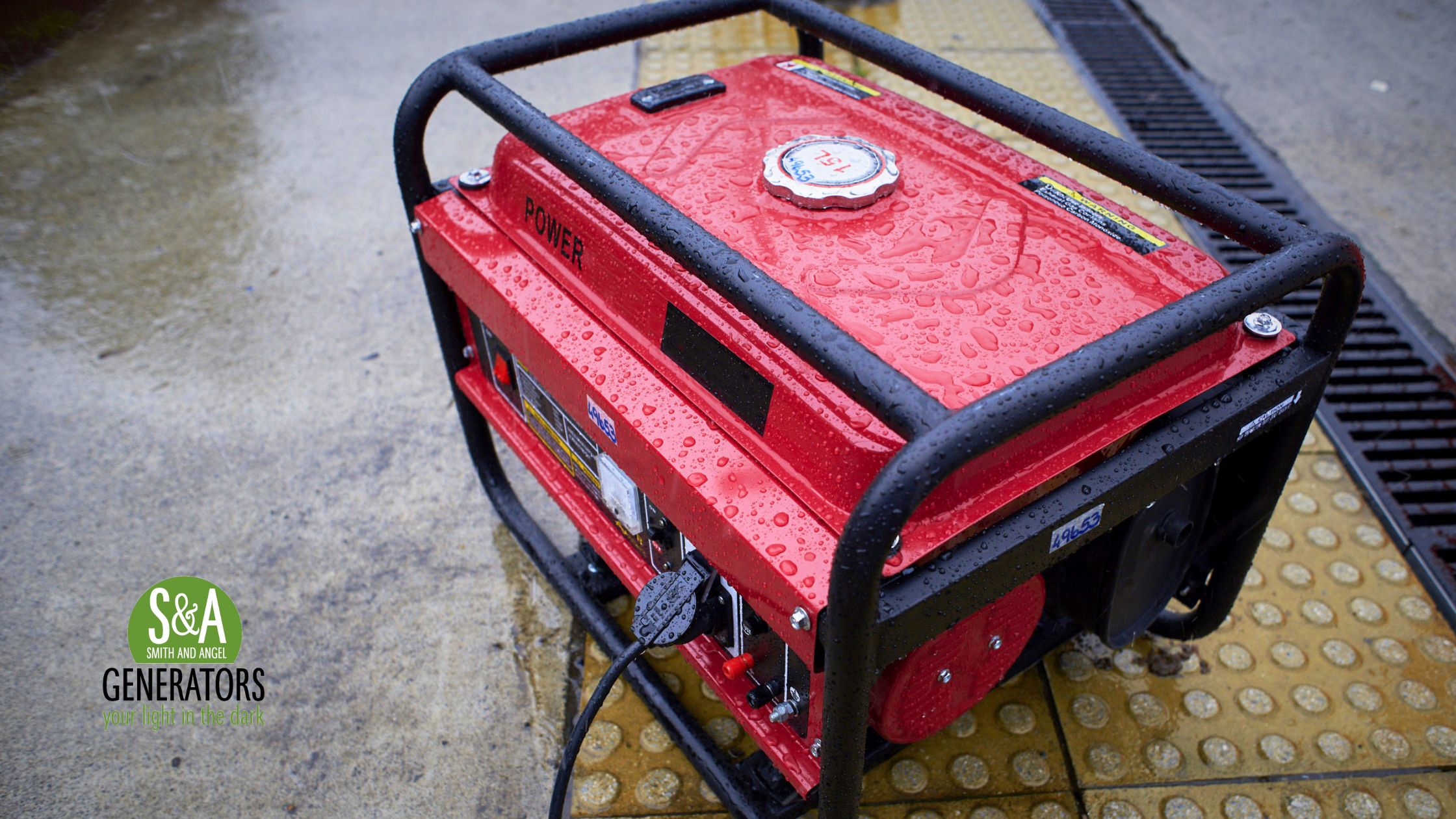
Can I run a generator in the rain? It’s a question that many South Africans have asked themselves during power outages caused by inclement weather or load shedding. While the answer is not a straightforward “yes” or “no,” there are important safety precautions to consider.
Firstly, it is crucial to note that portable generators should never be used in wet weather. Rain seeping into the generator’s outlets or engine could result in electrocution or even an explosion. This is why most generator warranties are voided if the generator is used in wet conditions.
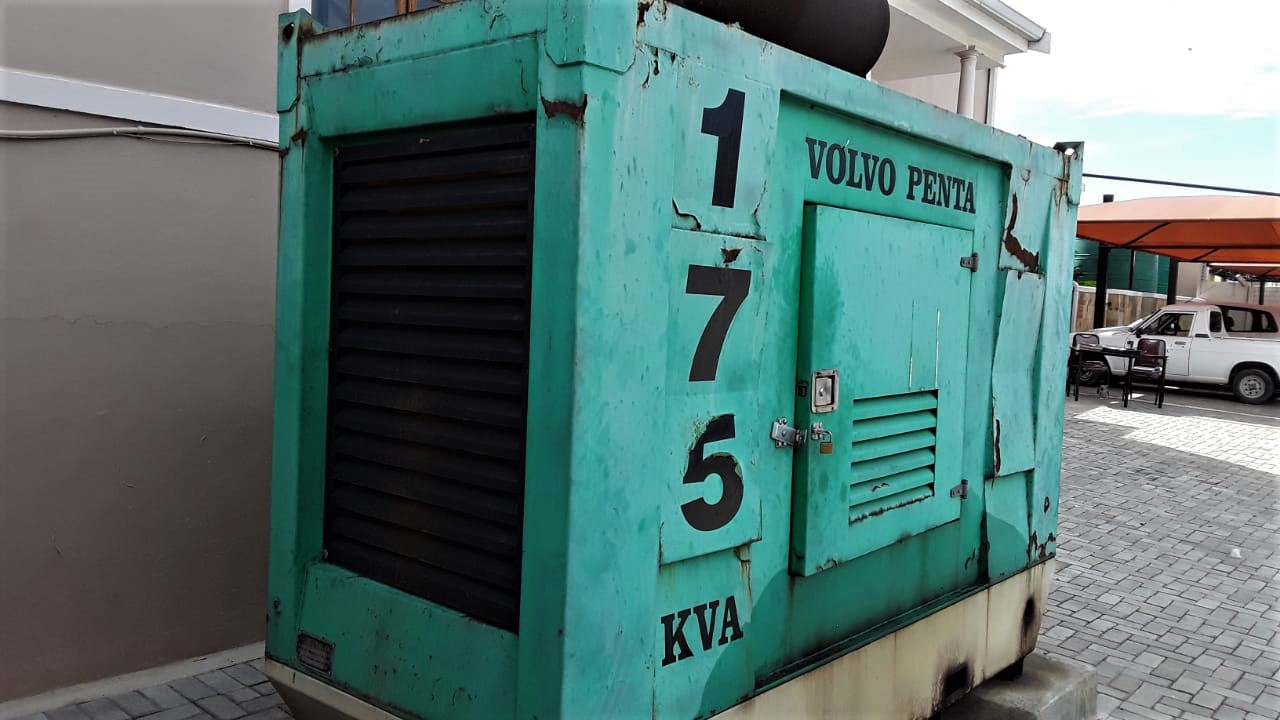
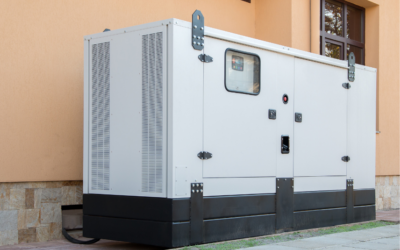
However, some generators are specifically designed to be operated safely in rainy weather. These generators typically come with their own enclosures and are explicitly stated by the manufacturer to be safe for use in wet conditions. If you have one of these generators, be sure to follow the manufacturer’s instructions carefully.
But what if you don’t have one of these specially designed generators? If you must use a generator during wet conditions or load shedding, you can still take precautions to minimise the risks.
Safety Tips For Running Generators in the Wet
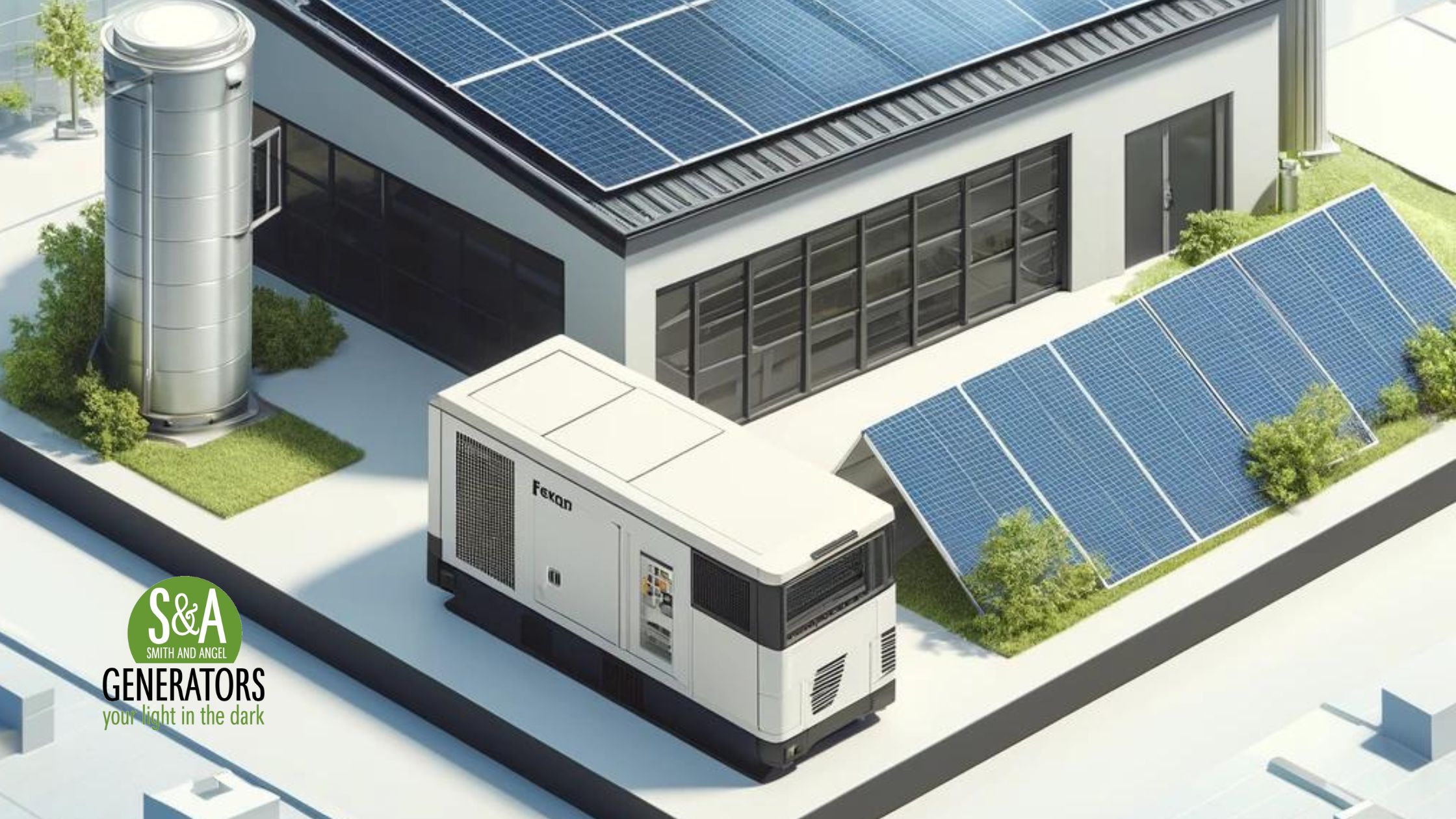
The first step is to ensure your generator is placed on a dry, level surface and sheltered from the rain. This could mean using a canopy or tent to cover the generator or positioning it under an overhang or in a garage. Avoid placing the generator in a puddle or any other area where water could collect.
It’s also essential to ensure that the generator’s outlets and cords are always kept dry. This could mean using a waterproof cover for the outlets or running the cables through a dry area before connecting them to your appliances or devices
Finally, always keep an eye on the weather conditions and be prepared to turn off your generator if the rain becomes too heavy. If you’re unsure whether using your generator in wet conditions is safe, err on the side of caution and wait for the rain to pass before using it.
Generators can be lifesavers (or mental health savers) but can also be dangerous if not used properly. While it may be tempting to use your generator in the rain, it’s simply not worth the risk of injury or damage to your property. Prioritise safety above all else.
In addition to the risks associated with using a generator in wet conditions, there are other precautions to consider. In South Africa, there are laws and regulations regarding the use of generators. For example, the National Environmental Management Act states that generators must be operated in a way that does not cause environmental harm or nuisance. This means that generators mustn’t be used in a way that creates excessive noise, smoke or other forms of pollution.
It’s also crucial to follow the manufacturer’s instructions thoroughly and to have a qualified electrician install and maintain your generator. By following safety precautions and being aware of the risks, you can ensure that your generator use is both practical and safe.
At S&A Generators, we offer a range of generator products and services to ensure that your power needs are met safely and effectively. Our generators are carefully designed and installed by qualified professionals to ensure maximum safety and efficiency. Contact us today to learn more about our products and services, and let us help you navigate the complex world of generator use.
Where Should A Diesel Or Petrol Generator Be Placed?